

Service
Companion Care
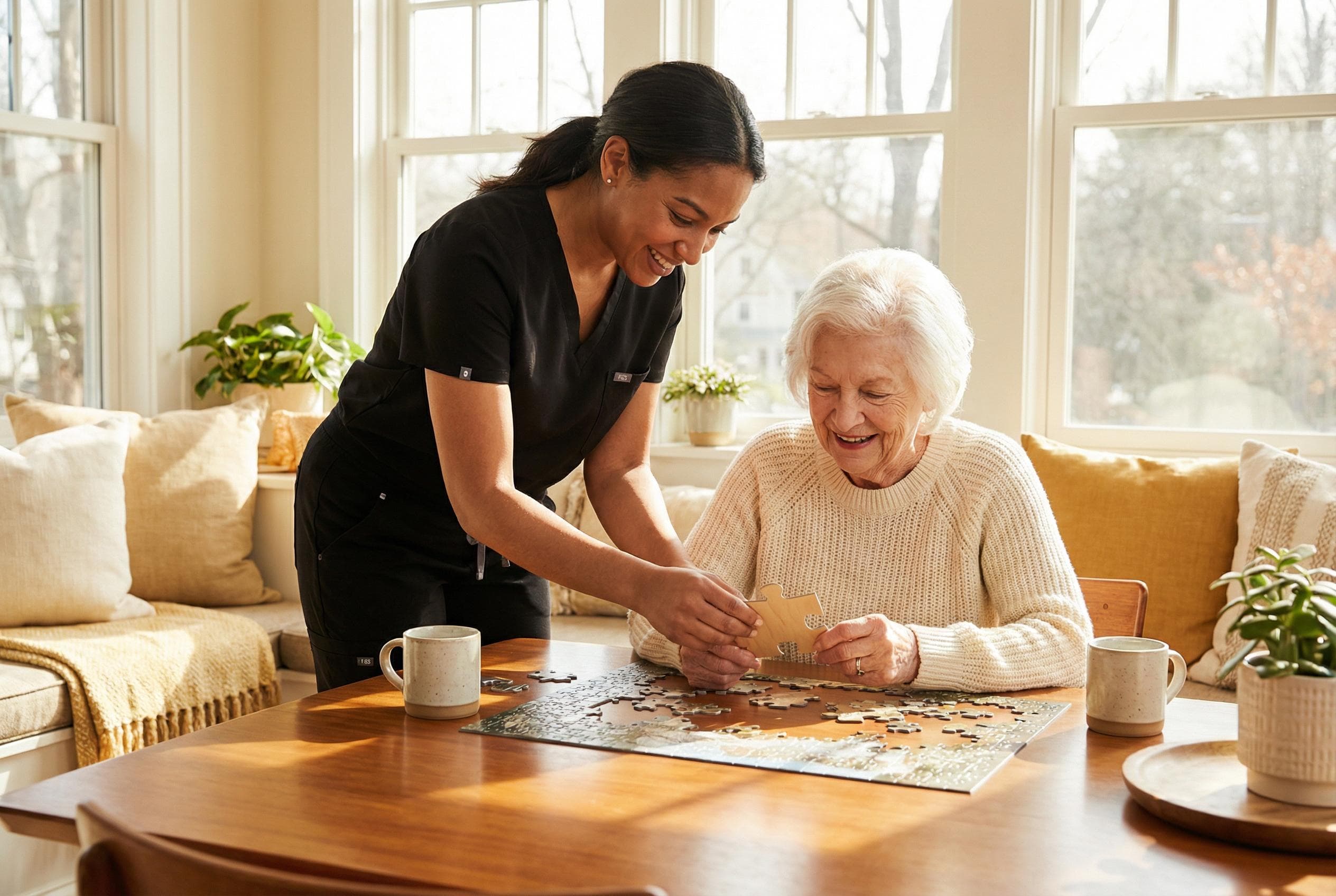
Regular company that gives the week its shape back — conversation, meals, hobbies, and a reason to get out of the house.
- Local care team
- Thoughtful matching
- Family updates
Company, conversation and getting out
When this support can help
Changes are usually gradual. These are the moments when families often start thinking about it.
The quiet house
The television is on more than it used to be. She says she's fine, and she is — but you can hear that nobody has stopped by.
Days without a shape
Since he stopped driving, one day looks much like the next. He was never someone who sat still.
Not your visit's job
You call every evening, and you can hear yourself becoming the only person she speaks to. That's a lot to be.
What a visit can look like
Every household is different. This is the shape a visit usually takes.
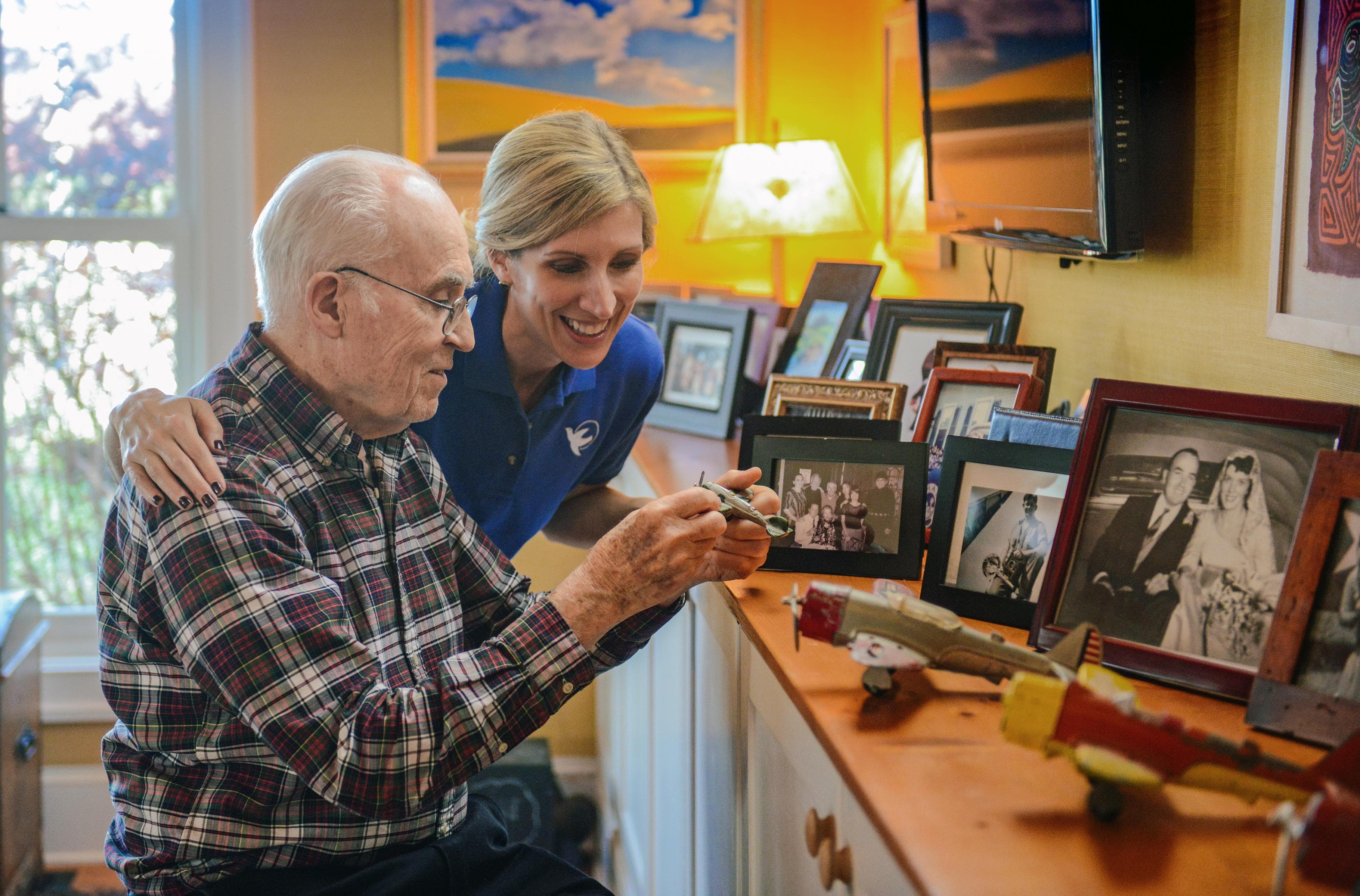
- Step 1. Arriving properlyA knock, a coffee, and no rush to get to anything.
- Step 2. Something to doCards, the crossword, the garden, whatever is actually hers.
- Step 3. A meal, togetherEating with someone rather than alone.
- Step 4. Out of the houseThe store, the park, or just the end of the road and back.
“She chose the blue cardigan today and wanted her hair done properly — said she might have a visitor.”
A short, human account of how the day actually went. Not an actual client record.
What this can include
A care plan is built from what a family actually needs, not from a fixed package. These are the pieces most often in it.
What this isn't
Worth knowing before you call, so nobody's time gets wasted.
How care starts
Step 1. Start a conversation
Begin with whatever feels comfortable — a routine that's gotten harder, a question, or just a feeling that some help would make the days easier.
Step 2. We listen and plan together
Routines, preferences, family involvement, and the kind of support being considered.
Step 3. Meet, begin and stay connected
You understand the next step, whom to contact, and how communication will work.
Questions families often ask about this support
That's the goal and the design — the same caregiver, planned. If a visit ever needs someone different, we tell you before the door opens.
Other kinds of support
If this is not quite it, these are the closest.
Care starts with a conversation.
Tell us what would make everyday life easier. You do not have to figure out the entire care plan before reaching out.
Submitting this form does not create a care agreement. AhaCare will follow up regarding availability and possible next steps.
It starts with a few questions