

Service
Personal Care & Daily Routines
Steady help with the everyday rhythm of a day, so mornings stay unhurried and the parts that have gotten harder stop being the parts that define them.
- Local care team
- Thoughtful matching
- Family updates

Support with personal routines and daily comfort
When this support can help
Changes are usually gradual. These are the moments when families often start thinking about it.
The thing you can't ask about
She's managing, mostly. But you've noticed she's wearing the same cardigan three days running, and you don't know how to ask about the shower.
Dignity, kept intact
He's as sharp as ever and would be mortified if you helped him dress. A person who isn't his daughter changes that entirely.
Just the first hour
By ten o'clock she's fine. It's the first hour of the day that has become the problem, and it's the hour you can't be there for.
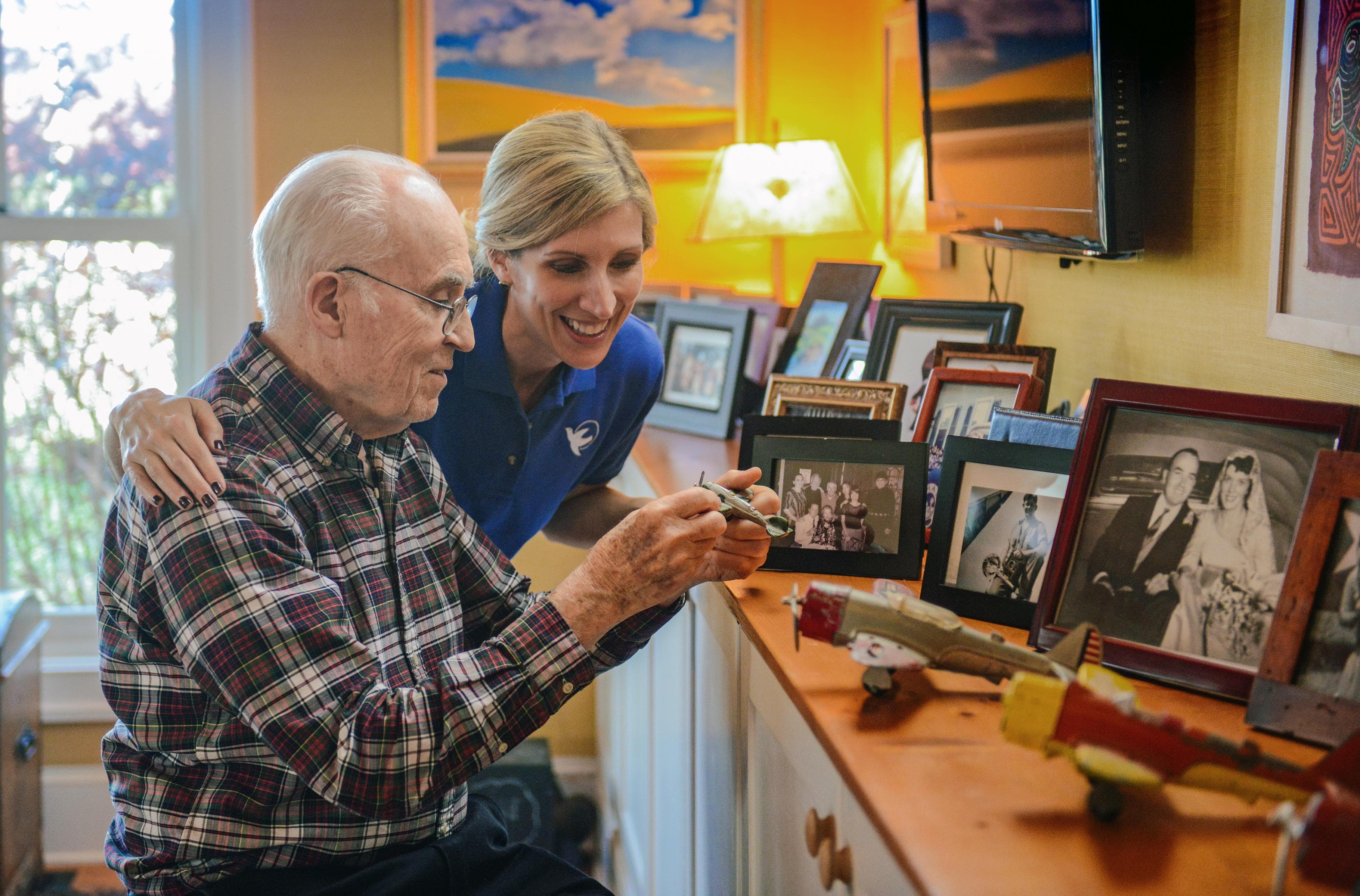
What a visit can look like
Every household is different. This is the shape a morning visit usually takes.
- Step 1. A calm startArrives a little before she usually gets up, so nothing about the morning is rushed.
- Step 2. Getting ready, her wayHelp washing and dressing at her pace, in the order she has always done it.
- Step 3. Breakfast, and the morning planBreakfast, a reminder about medication if that is part of the plan, and the dishes away.
- Step 4. Leaving things niceA tidy of the bathroom and the bedroom, so the house feels looked after rather than visited.
“She chose the blue cardigan today and wanted her hair done properly — said she might have a visitor.”
A short, human account of how the day actually went. Not an actual client record.
What this can include
A care plan is built from what a family actually needs, not from a fixed package. These are the pieces most often in it.
What this isn't
Worth knowing before you call, so nobody's time gets wasted.
How care starts
Step 1. Start a conversation
Begin with whatever feels comfortable — a routine that's gotten harder, a question, or just a feeling that some help would make the days easier.
Step 2. We listen and plan together
Routines, preferences, family involvement, and the kind of support being considered.
Step 3. Meet, begin and stay connected
You understand the next step, whom to contact, and how communication will work.
Questions families often ask about this support
Slowly, and on her terms. The first visits usually involve no personal care at all — they are about getting to know each other. What she is comfortable with, who she is comfortable with, and how much help she actually wants are all part of the plan rather than assumptions in it.
Other kinds of support
If this is not quite it, these are the closest.
Care starts with a conversation.
Tell us what would make everyday life easier. You do not have to figure out the entire care plan before reaching out.
Submitting this form does not create a care agreement. AhaCare will follow up regarding availability and possible next steps.
It starts with a few questions