

The right care, in a place you call home
Practical, non-medical help for older adults — from everyday routines to staying connected with family.
Not sure what kind of help is needed? That's okay — answer a few quick questions and we'll point to the support that could fit.
See Relevant Support
- Familiar routines respected
- Clear family communication
- Language preferences welcomed
- Support shaped around the individual
One place for the everyday seasons of care





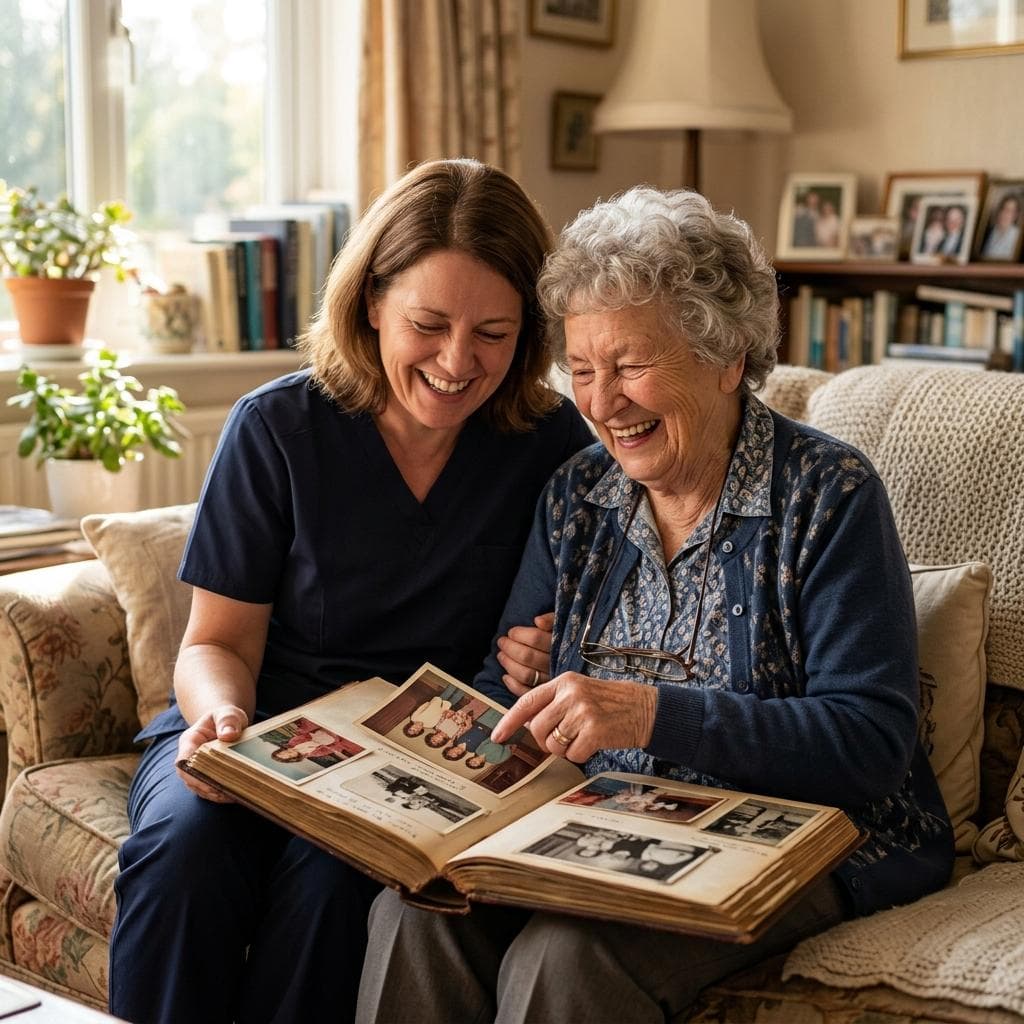
What brought you to AhaCare today?
Choose the type of support you’re looking for. You do not need to know the name of the service.
Nothing selected yet
See Relevant Support →Support for everyday life
AhaCare is being designed around the kinds of support families commonly need at home.
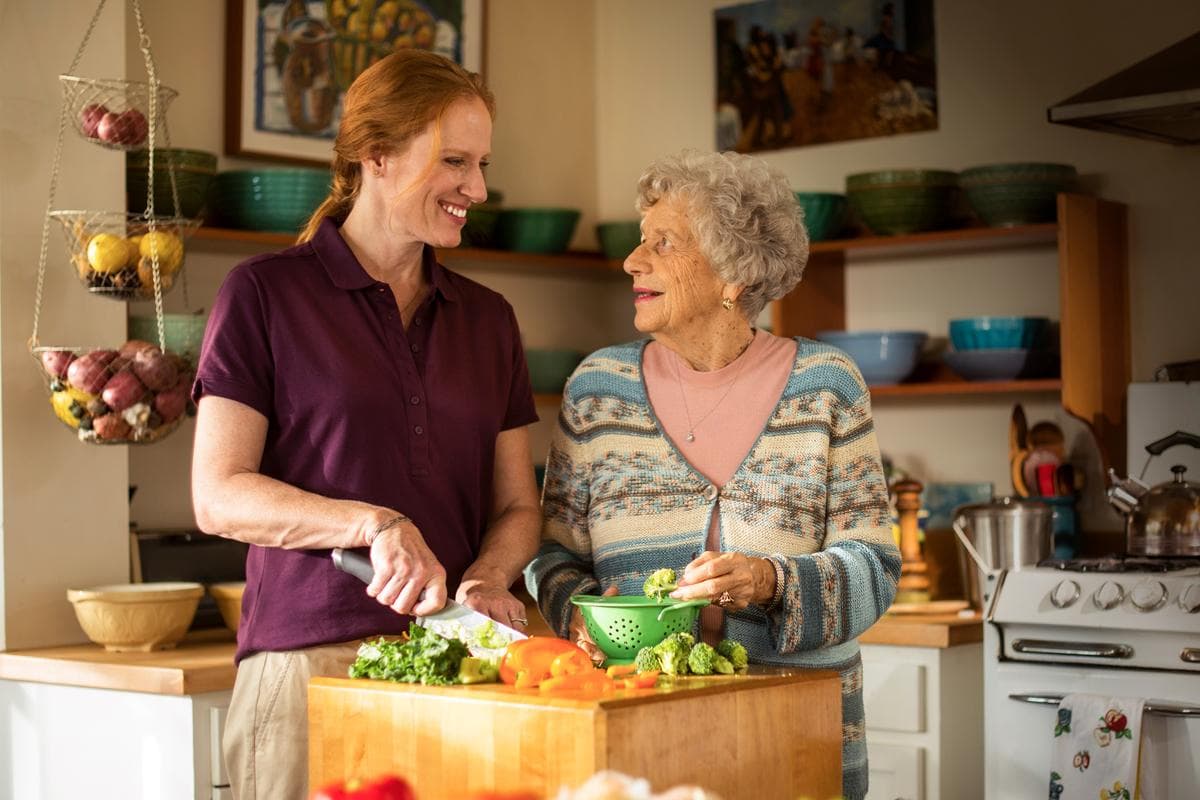

Starting care should feel clear and manageable.
You do not need to have every answer before beginning the conversation.
Step 1. Start a conversation
Begin with whatever feels comfortable — a routine that's gotten harder, a question, or just a feeling that some help would make the days easier.
Step 2. We listen and plan together
AhaCare learns about routines, preferences, family involvement and the kind of support being considered.
Step 3. Meet, begin and stay connected
Before care begins, families understand the proposed next step, whom to contact and how communication will work.
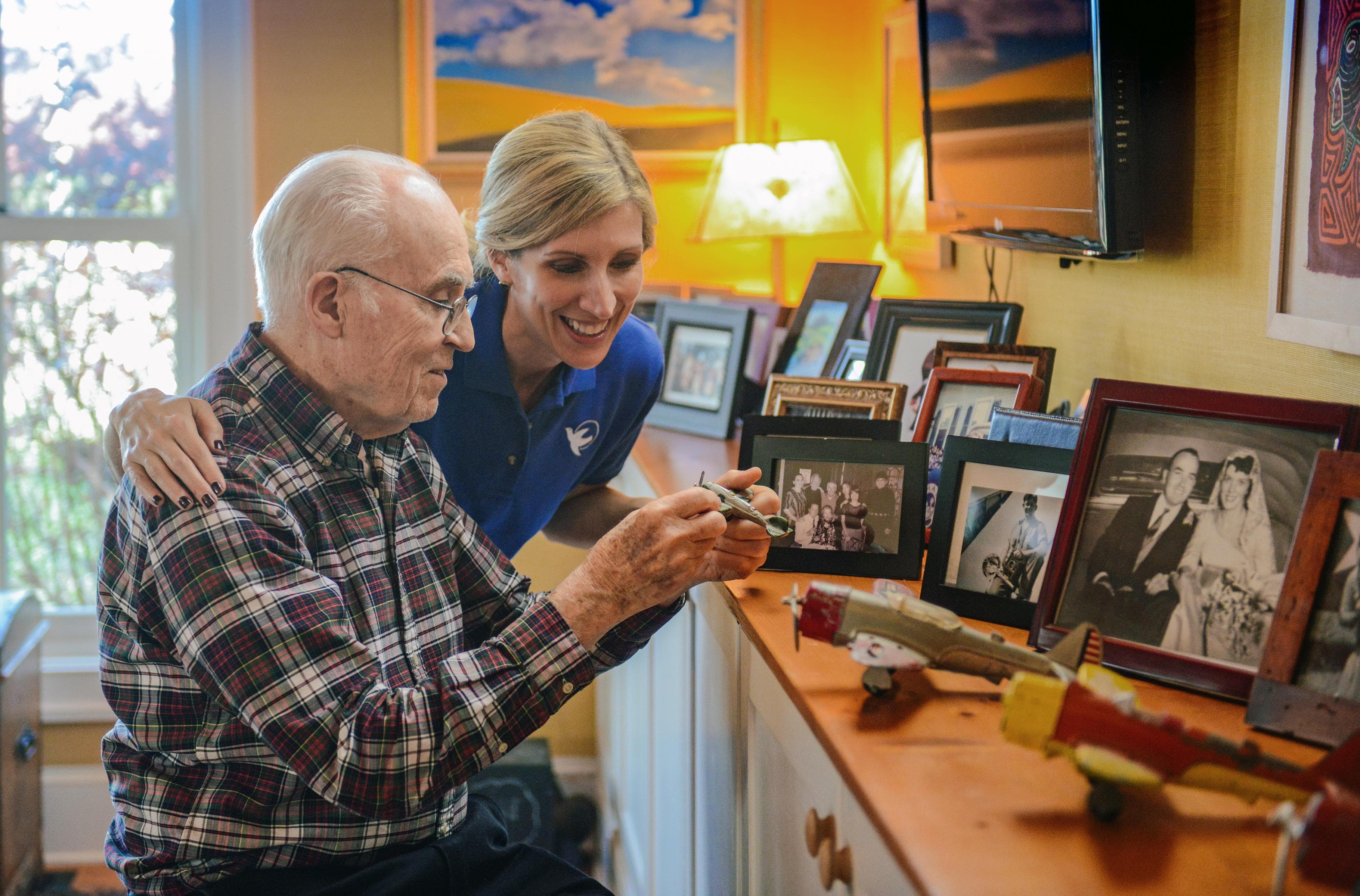
You'll know who is providing care — and how visits are going.
AhaCare is being built around continuity, familiarity and communication that families can understand.
- One care coordinatorA consistent point of contact for questions and next steps, so a family is not explaining their situation again to a new person each time.
- Meet the caregiverFamilies meet the caregiver before care begins — an introduction, not an arrival.
- The Aha Family NoteA simple update that helps families stay connected to everyday moments — not a chart, not a checklist.
- Language and cultural preferencesCare planning should respect how the individual and family prefer to communicate and live.
Stay connected to the moments that matter.
The Aha Family Note is intended to help families understand how an ordinary visit went — not through clinical language, but through a thoughtful everyday update.
“She ate most of lunch.
We walked to the mailbox.
She was in good spirits.”
— your care team
Always shared with the client's knowledge — your family decides together who receives it.
Illustrative example — not an actual client record
The Aha Family Note is a non-medical visit summary. It is not a medical record or clinical documentation.

Care feels more comfortable when people feel understood.
When AhaCare plans care, these are the things it may consider — not as a form to fill in, but because they are usually what makes a day feel normal.
- Preferred language
- Familiar routines
- Mealtime preferences
- Faith and cultural considerations
- Family involvement
- Preferred communication style
Being built for North Texas families
AhaCare is starting where its team already lives. If your community is nearby but not listed, tell us — we would rather hear from you than have you assume.
- Prosper
- Frisco
- McKinney
- Celina
Nearby communities
Little Elm, Melissa, Anna, Aubrey, Allen and north Plano are all close by. Ask about your community and we will tell you honestly whether it is in the initial area.
Initial service area — Collin & Denton counties
A note to families
We understand that asking for help can feel personal.
You may still be deciding what kind of support is needed — or whether now is the right time. AhaCare is being built to begin by listening, respecting the individual's preferences and helping families understand the next step without pressure.
— The AhaCare Team
Frequently asked questions
Straight answers to the questions families ask first. If yours isn't here, just ask.

Non-medical support with everyday life at home — familiar routines, companionship, getting around and to appointments, help settling in after a stay away, memory-related support, and relief for the family caregivers doing the work now.
Care starts with a conversation.
Tell us what would make everyday life easier. You do not have to figure out the entire care plan before reaching out.
Submitting this form does not create a care agreement. AhaCare will follow up regarding availability and possible next steps.
It starts with a few questions.
- Question 1: Who needs support
- Question 2: Where they live
- Question 3: What would make life easier