

Service
Respite Care
Time away for the person doing the caring, with someone trusted there — so rest stops being something you feel guilty about.
- Local care team
- Thoughtful matching
- Family updates

Time away, with someone trusted there
When this support can help
Changes are usually gradual. These are the moments when families often start thinking about it.
The appointment you keep moving
Your own, twice rescheduled. You are not sure when you last saw a doctor about anything.
The wedding you said no to
It's a Saturday, four hours away, and you have already decided you can't go. Nobody asked you to decide that.
Not a break, a schedule gap
Your brother helps when he can. What you need isn't more goodwill — it's a Thursday that is reliably covered.
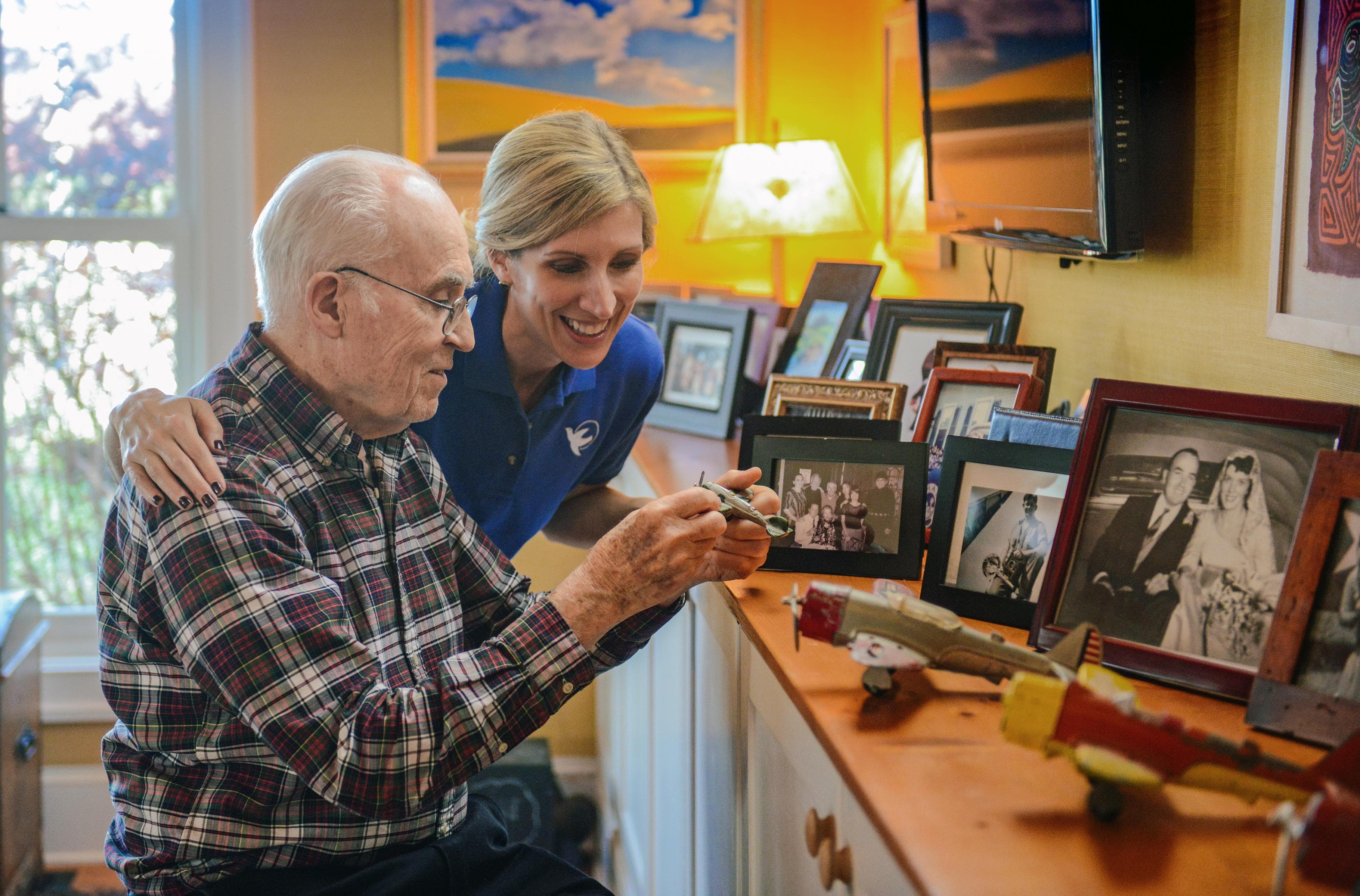
What a visit can look like
Every household is different. This is the shape a visit usually takes.
- Step 1. A proper handoverYou tell us the routine once, and it is written down.
- Step 2. You leaveNo phone check-ins expected.
- Step 3. The day carries onThe same rhythm, in the same house.
- Step 4. Coming backA short account of how it went, so you can stop guessing.
“She chose the blue cardigan today and wanted her hair done properly — said she might have a visitor.”
A short, human account of how the day actually went. Not an actual client record.
What this can include
A care plan is built from what a family actually needs, not from a fixed package. These are the pieces most often in it.
What this isn't
Worth knowing before you call, so nobody's time gets wasted.
How care starts
Step 1. Start a conversation
Begin with whatever feels comfortable — a routine that's gotten harder, a question, or just a feeling that some help would make the days easier.
Step 2. We listen and plan together
Routines, preferences, family involvement, and the kind of support being considered.
Step 3. Meet, begin and stay connected
You understand the next step, whom to contact, and how communication will work.
Questions families often ask about this support
That's the goal and the design — the same caregiver, planned. If a visit ever needs someone different, we tell you before the door opens.
Other kinds of support
If this is not quite it, these are the closest.
Care starts with a conversation.
Tell us what would make everyday life easier. You do not have to figure out the entire care plan before reaching out.
Submitting this form does not create a care agreement. AhaCare will follow up regarding availability and possible next steps.
It starts with a few questions