

Service
Mobility, Errands & Appointments
Getting around the house and the town, so the calendar stops being something to worry about and the world stays within reach.
- Local care team
- Thoughtful matching
- Family updates

Rides, errands and appointments
When this support can help
Changes are usually gradual. These are the moments when families often start thinking about it.
The stairs, and the excuses
She has started staying downstairs, and describing it as a preference. You are fairly sure it isn't one.
The appointment nobody can make
It's on a Tuesday at eleven, forty minutes away, and everyone who could take her is working.
Shopping that stopped
There is food in the house, but it is the same four things. He used to enjoy choosing it.
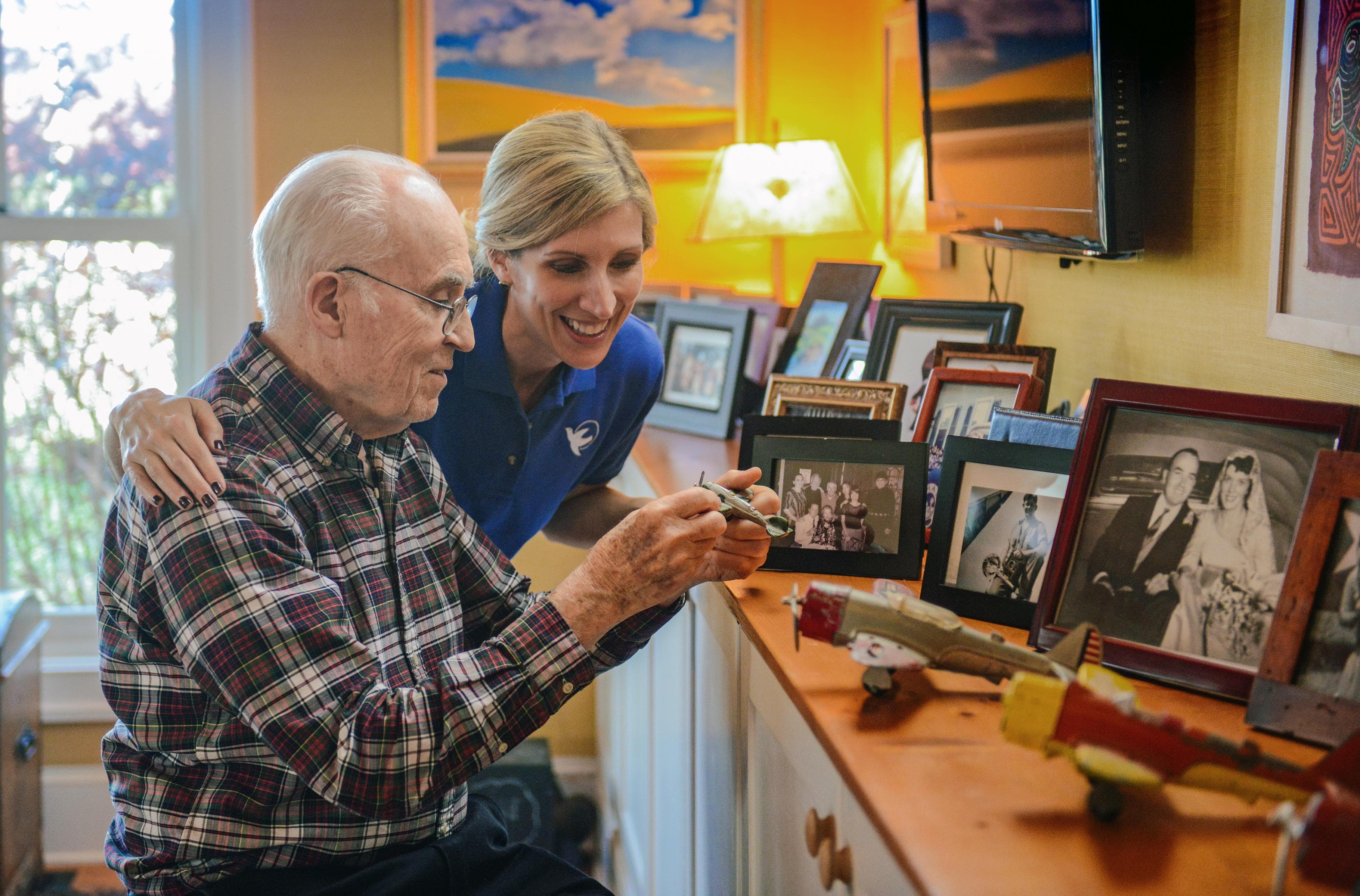
What a visit can look like
Every household is different. This is the shape a visit usually takes.
- Step 1. Working out the dayWhat needs doing, and in what order.
- Step 2. Getting thereThe car, the walk to the door, the bit that has become the obstacle.
- Step 3. Doing it togetherShe chooses, we carry.
- Step 4. Home, and put awayBags unpacked, kettle on, notes made for the family.
“She chose the blue cardigan today and wanted her hair done properly — said she might have a visitor.”
A short, human account of how the day actually went. Not an actual client record.
What this can include
A care plan is built from what a family actually needs, not from a fixed package. These are the pieces most often in it.
What this isn't
Worth knowing before you call, so nobody's time gets wasted.
How care starts
Step 1. Start a conversation
Begin with whatever feels comfortable — a routine that's gotten harder, a question, or just a feeling that some help would make the days easier.
Step 2. We listen and plan together
Routines, preferences, family involvement, and the kind of support being considered.
Step 3. Meet, begin and stay connected
You understand the next step, whom to contact, and how communication will work.
Questions families often ask about this support
That's the goal and the design — the same caregiver, planned. If a visit ever needs someone different, we tell you before the door opens.
Other kinds of support
If this is not quite it, these are the closest.
Care starts with a conversation.
Tell us what would make everyday life easier. You do not have to figure out the entire care plan before reaching out.
Submitting this form does not create a care agreement. AhaCare will follow up regarding availability and possible next steps.
It starts with a few questions